
There is no single answer to how long a dental crown lasts, and it is not possible to give an exact number of years. Zirconia, e-max and porcelain crowns can often be used for many years when they are looked after well, but what usually decides their lifespan is less the material and more your oral hygiene, gum health, regular check-ups and habits such as clenching. Whether a crown needs to be replaced is decided by your dentist after an examination and, if needed, an X-ray.
This article is for general information only. Your dentist will advise you on your own situation after an examination.
What affects how long a crown lasts?
Two crowns made from the same material can last very different lengths of time in two different people. This is because a crown is directly affected by the conditions in the mouth. The main factors are:
- Oral hygiene: The crown itself cannot decay, but if plaque builds up where the crown meets the tooth, the tooth underneath can develop decay.
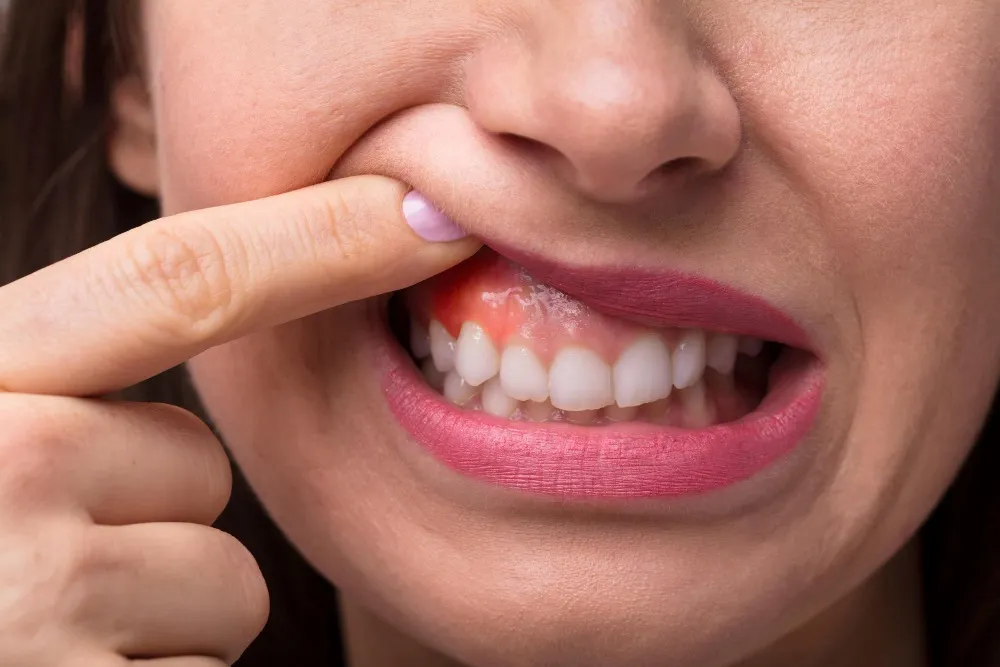
- Gum health: If the gums recede, the edge of the crown may become visible. This can affect both the appearance and how easy the edge is to keep clean. See our page on gum recession.
- Clenching and grinding: Clenching or grinding your teeth, often without noticing at night, can put extra load on crowns and the teeth beneath them.
- Eating habits: Biting very hard foods, chewing ice or using your teeth to open packets can increase the risk of fracture.
- Position in the mouth: Crowns on back teeth carry more chewing force than crowns on front teeth.
- Regular check-ups: When small problems are found early, they can often be dealt with in a simpler way.
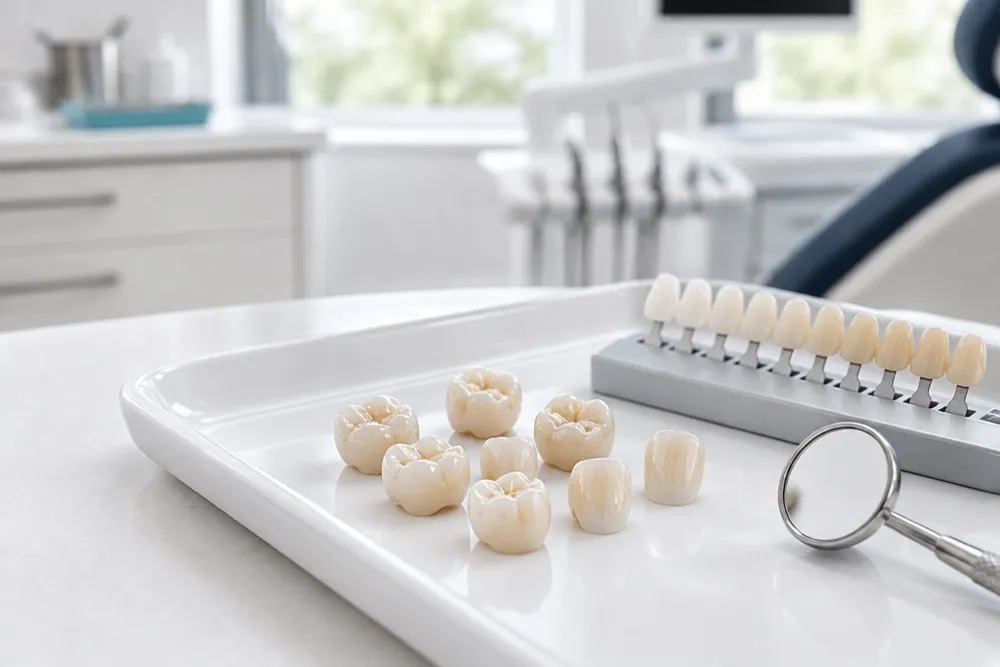
The material matters too. Zirconia crowns are known for their strength, e-max crowns are often chosen for their translucency on front teeth, and porcelain veneers cover only the front surface of the tooth. Your dentist chooses the material according to the tooth, your bite and your expectations.
Which signs mean you should see a dentist?
The signs below do not automatically mean a crown has to be replaced. However, if you notice any of them, it is a good idea to have the tooth checked:
- Pain, aching or sensitivity to hot and cold under or around the crown
- A crack, a small chipped piece or a rough surface on the crown
- The crown feels loose or has come off
- A dark line or discoloration along the edge of the crown
- Bleeding, swelling or a bad smell from the gum around the crown
- A feeling that the crown is "high" when you bite
If a crown comes off, keep it safe and contact your dentist without waiting. We recommend not trying to glue it back in place yourself with household adhesives, as this can damage the tooth or make it harder to refit the crown properly.
Does a crown always need to be fully replaced?
Not always. The approach depends on the cause of the problem. For example, if a crown has simply come off but is undamaged, and the tooth underneath is in good condition, re-cementing it may be considered. A small rough area on the surface can sometimes be smoothed and polished. If decay has developed under the crown, the crown has broken or its edges no longer fit well, replacement may be discussed. The right option is decided after an examination and imaging.
What happens when a crown is replaced?
When your dentist decides a crown needs to be replaced, the process is usually similar to having a crown made for the first time:
- The old crown is carefully removed.
- The tooth underneath is examined. Any decay is removed and, if necessary, a filling or root canal treatment is carried out.
- The tooth is prepared for the new crown, and an impression or digital scan is taken.
- A temporary crown may be fitted while the new one is being made.
- The new crown is tried in, checked for fit and bite, and then cemented in place.
The condition of the tooth underneath is the most important factor in how long the process takes and which steps are needed. If you are planning treatment from abroad, your dentist can explain the likely steps once they have seen your tooth and X-rays.
How can you help your crowns last longer?
- Brush twice a day with a soft or medium toothbrush.
- Clean around the edges of your crowns and between your teeth with floss or interdental brushes.
- If you clench or grind your teeth, tell your dentist. A night guard may be recommended if needed. See our page on teeth clenching for more information.
- Avoid cracking hard shells with your front teeth and using your teeth to open bottles or packets.
- Go for check-ups and professional cleaning at the intervals your dentist recommends.
Frequently Asked Questions
How long do zirconia crowns last?
It is not possible to give an exact figure. With good care, zirconia crowns can often be used for many years. Their lifespan depends on oral hygiene, gum health, habits such as clenching, and regular check-ups, and your dentist can assess your own situation.
How long do e-max crowns last?
E-max crowns can also last for many years in many patients when they are well looked after and checked regularly. Their lifespan varies with clenching or grinding habits, gum health and where in the mouth the crown sits. Your dentist can tell you whether e-max is a suitable option for a particular tooth.
Can a tooth decay under a crown?
Yes. A crown does not fully protect the tooth. If plaque builds up at the edge of the crown, the tooth underneath can develop decay, so crowned teeth should be brushed and flossed just like natural teeth.
Do crowns change colour over time?
Ceramic crowns are generally less affected by tea and coffee than natural teeth. However, discoloration can appear at the edge of the crown or on the neighbouring natural teeth. Crowns do not respond to teeth whitening, so if you are thinking about whitening, it is best to discuss it with your dentist before the crown is made.
What should I do if my crown breaks?
Keep any broken pieces, avoid chewing on that side and contact your dentist. Depending on the size of the break, repair or replacement options will be assessed at the examination.
Related treatments: Zirconia crowns · E-max crowns · Porcelain veneers · Laminate veneers